
1. Overview of Silo Ventilation Systems
Silo ventilation systems are a critical component of modern grain storage management, designed to maintain a stable and healthy environment within silos. Their operating principle involves introducing fresh air into grain silos while expelling hot, humid, or contaminated air. This continuous air exchange helps control temperature, humidity, and pest activity, ensuring stored grain remains in optimal condition during long-term storage.
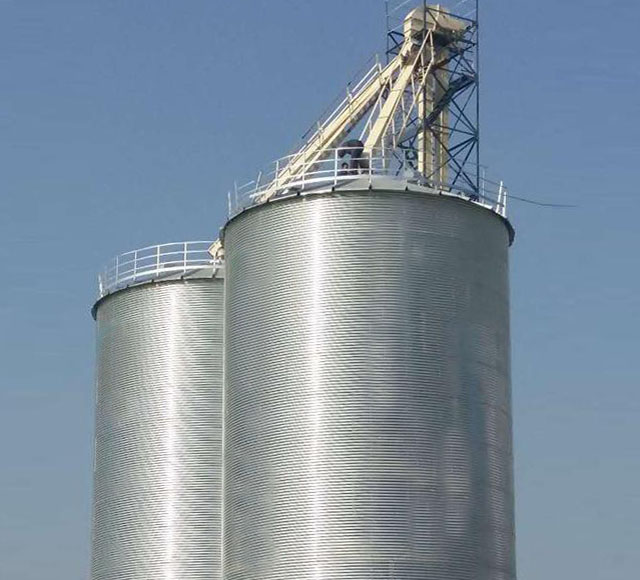
In any grain silo, factors such as temperature fluctuations, moisture accumulation, and biological activity can lead to grain deterioration, mold growth, and pest infestations. A well-designed silo ventilation system mitigates these risks by maintaining balanced air conditions and reducing the grain’s respiration rate. Ultimately, this safeguards both the quality and quantity of stored products.
2. Why Ventilation Matters in Grain Silos
Proper ventilation in a grain silo serves several essential purposes:
- Temperature Control: Prevents heat buildup within grain piles by removing excess heat generated from grain respiration.
- Humidity Regulation: Maintains balanced air humidity to prevent grains from absorbing or losing excessive moisture.
- Pest and Mold Prevention: Disrupts pest habitats and limits microbial growth by controlling airflow and temperature equilibrium.
- Air Quality Improvement: Removes harmful gases like carbon dioxide and ammonia produced during grain respiration.
In regions with variable climates, particularly hot and humid areas, ventilation systems are crucial for preventing grain spoilage and maintaining storage efficiency.
3. Structure and Components of Silo Ventilation Systems
A standard grain silo ventilation system comprises the following key components:
- Fans: The power source of the system. Depending on required airflow volume and pressure, these can be centrifugal or axial fans.
- Ductwork: Channels that distribute air evenly throughout the silo. Ducts can be vertical, horizontal, or a combination of both.
- Perforated floor or duct base: Enables uniform airflow beneath the grain pile while supporting stored material.
- Vent openings: Located on the silo roof or side walls to expel warm or humid air during ventilation.
Different silo types, such as steel silos and reinforced concrete silos, have distinct installation requirements. Steel silos are lightweight, corrosion-resistant, and easy to construct, making them ideal for modern grain storage projects. Reinforced concrete silos offer exceptional durability and long-term stability.
Each component of the system must be constructed from pressure-resistant, corrosion-resistant, and well-sealed materials to ensure efficient air circulation and prevent contamination.
4. How the Silo Ventilation System Works
The ventilation system operates based on principles of airflow and heat transfer. Fresh air is delivered into the silo by fans, reaching every corner of the grain mass through ductwork and perforated floors. As air circulates, it exchanges heat and moisture with the grain, thereby:
- Removing excess heat to lower temperature.
- Absorbing or releasing moisture to balance humidity.
- Removes carbon dioxide, spores, and dust particles.
This process maintains safe grain moisture levels and creates a suitable microclimate within the silo for long-term storage.
With advances in automation and IoT technology, many modern silo ventilation systems now automatically monitor temperature and humidity, activating fans when preset thresholds are reached. This intelligent ventilation minimizes energy consumption and prevents over-ventilation.
5. Key Design Considerations for Efficient Grain Storage Ventilation
Designing an efficient grain silo ventilation system requires thorough planning and precise engineering. Critical factors include:
- Fan capacity: Determined by silo size, grain type, and required air exchange rate.
- Duct configuration: Ensures even air distribution and minimizes dead zones.
- Airflow resistance: Must be calculated to select appropriate fan pressure.
- Energy Efficiency: Utilize high-efficiency fans, variable frequency drives (VFDs), and optimized duct designs to reduce energy consumption.
- Silo Geometry: Larger diameter silos may require multiple ducts, while taller silos typically need higher-pressure fans for uniform ventilation.
Grain type also influences system design. For instance, corn and soybeans require different air volumes due to their size and respiration characteristics. Higher respiration rates necessitate more frequent ventilation cycles.
6. Maintenance and Smart Management
Routine maintenance ensures efficient operation of silo ventilation systems throughout their lifespan. Regular inspections should focus on:
- Checking fans and ductwork for dust accumulation or blockages.
- Monitoring temperature and humidity sensors.
- Testing automated control systems and adjusting settings according to seasonal changes.
Through integrated sensor networks, data analytics, and remote monitoring, operators can now track internal silo conditions in real time. Smart control systems automatically activate or deactivate ventilation based on current readings, optimizing storage efficiency while conserving energy.
A well-designed and properly managed silo ventilation system is critical for maintaining the safety and quality of grain stored in steel silos and other grain storage facilities. It effectively regulates temperature, balances humidity, prevents mold and insect infestations, and extends grain shelf life. As technology advances, intelligent ventilation systems will play an increasingly vital role in modern grain storage management and global food security.
By investing in high-quality silo ventilation systems, operators can significantly reduce storage losses, enhance operational efficiency, and ensure the reliable preservation of valuable agricultural products.