
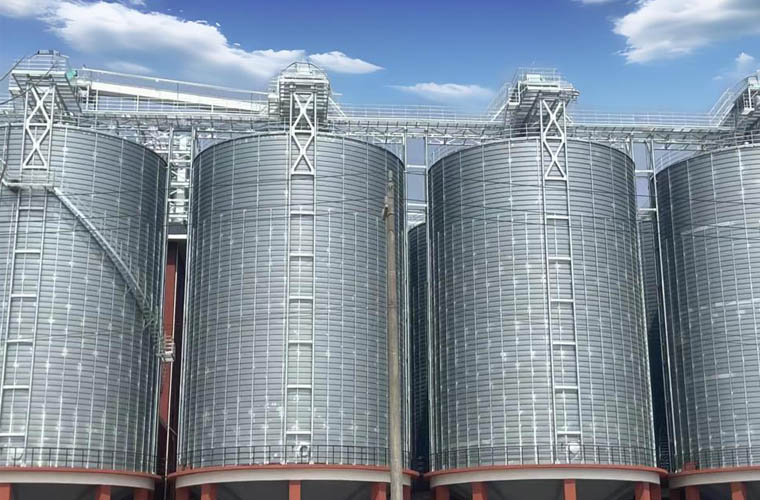
Grain steel silos are cornerstone facilities in modern grain storage, providing robust, large-capacity solutions for preserving grain quality on a massive scale. The integrity and shelf life of stored grains such as wheat, corn, rice, and soybeans heavily depend on two critical systems: ventilation and fumigation. Proper management of these systems prevents grain spoilage, controls insect infestations, and maintains the nutritional and economic value of the grain. Consequently, they are indispensable for any efficient grain storage operation.
The Critical Role of Ventilation in Steel Silos
Ventilation refers to the process of circulating air through stored grain to regulate its temperature and humidity. Effective ventilation prevents hot spots, reduces moisture migration, and inhibits mold growth. There are two primary methods of ventilating a grain storage silo: natural ventilation and mechanical ventilation.
1. Natural Ventilation
Natural ventilation utilizes temperature and pressure differentials between the silo interior and exterior to generate airflow. This is achieved by strategically placing vents in the roof and walls.
- Advantages: This method is energy-efficient and low-cost, requiring no external power source.
- Disadvantages and Design Considerations: Its efficiency is highly dependent on weather conditions and can be slow and inconsistent. To maximize efficiency, vent locations must be meticulously designed to ensure even air distribution and prevent dead zones where damp air can accumulate. Regular maintenance to keep vents clear is critical for the proper functioning of this passive system.
2. Mechanical Ventilation
Mechanical ventilation is the industry standard for achieving reliable and controllable air exchange. This system uses powerful fans to force dry, cool air into the grain steel silo.
- How it works: Dry air is pushed into a network of ducts or channels at the silo’s base (e.g., ventilated floors, ducts, or pipes). This air travels upward through the grain mass, cooling the grain and removing excess moisture and heat before being expelled through exhaust fans or vents at the top.
- Key Advantages: This method enables precise control of storage conditions, facilitating rapid grain cooling, moisture dispersion, and removal of odors or residual fumigants. This is critical for preventing grain spoilage.
- Advanced Features and Duct Design: Modern systems often integrate smart control systems that automatically adjust fan operation based on real-time sensor data for temperature and humidity, optimizing energy use and protection. Duct layout is crucial for performance. Common designs include:
- Floor Duct Systems: Channels embedded within concrete slabs.
- Above-Ground Ducts: Suitable for flat-ground storage or specific silo designs.
- Radial and Vertical Ventilation: Ensures uniform air distribution throughout the grain mass, essential for large-diameter grain storage silos.
Advanced Fumigation Techniques for Grain Steel Silos
Fumigation involves introducing gaseous pesticides into sealed steel silos to eliminate insects, rodents, and other pests that may damage stored grain. The airtight nature of steel silos makes them ideal for containing these gases, but specialized methods are required to ensure thorough penetration throughout the structure.
Effective fumigation in grain steel silos typically necessitates integration with mechanical ventilation systems to achieve uniform gas distribution. Key techniques include:
- Circulating Fumigation: This method utilizes the silo’s own ventilation fans to actively circulate fumigant gas throughout the entire structure, ensuring it reaches every corner for high pest elimination rates.
- Micro-Airflow Fumigation: This technique employs minimal fan pressure to slowly and continuously blow fumigant into the silo, achieving deep penetration with minimal energy consumption.
- Intermittent fumigation: This method involves applying fumigants in controlled, repeated doses over a specific timeframe. It may prove more effective against certain pest life stages and ensures lethal gas concentrations are maintained for sufficient duration to maximize efficacy.
The Combined Importance of Ventilation and Fumigation
Together, ventilation and fumigation form the backbone of grain preservation and quality control.
A robust silo ventilation system does more than just cool grain; it helps prevent moisture migration, removes hazardous dust, and reduces the risk of explosions. Post-fumigation, it is essential for safely aerating the grain and removing any residual gas before the silo is opened.
An effective fumigation protocol directly protects the economic value of the stored grain by controlling infestations. This extends the safe storage cycle of the grain, reduces long-term pest control costs, and ensures the grain meets quality standards for market.
Partner with a Professional Steel Silo Manufacturer
Choosing the right equipment is the first step toward building a safe and efficient grain storage system. As a leading steel silo manufacturer, we provide high-quality, durable grain steel silos designed with integrated ventilation and fumigation capabilities. Our silos are engineered for storing a wide range of materials, including grains, cement, cereals, and mineral powders.
We go beyond just selling a product. We offer professional, free design services to tailor a grain storage solution that meets your specific capacity, climate, and operational needs. Contact us today to learn how our expertise can help you protect your valuable commodities.